Medically reviewed by: Dr Jangid, MBBS, MD (Dermatology)
Registration No.: DMC 40715
Published on:
This blog explains in detail about teenage acne, its causes, and best treatment options.
What is teenage acne?
Teenage acne is defined as the occurrence of Pimples, Blackheads, and Whiteheads, and in some cases, even Cysts during Teenage years. During Teenage years, hormonal changes cause the skin to produce more oil than normal. The mixture of dead skin cells and oil clogs the skin’s pores, and bacteria develop in these clogged pores, leading to Acne.
Teenage Acne occurs mainly in the face, chest, shoulders, and back regions of the skin. Acne can range from mild to severe in teenagers.
Why does teenage acne occur?
Teenage Acne is mainly triggered by factors that are both internal and external in nature.
1. Hormonal changes
Hormones that are referred to as androgen rise in teens. Androgen is the hormone that makes the oil glands produce more oil, which results in clogged pores and acne.
2. Excess oil production
An oily skin is best for acne formation because the oil clogs the pores, leading to acne.
3. Poor skincare habits
Teenagers can also be victims of acne if they use strong skincare products or do not clean their faces regularly. Excessive face washing also results in acne.
4. Diet and lifestyle
Eating oily food, sweets, and lack of water can also cause acne in teens.
5. Stress and exams
Stress is one of the major factors that cause acne in teens. Stress acne exam season pimples are common in teens.
6. Genetics
If parents suffer from acne, teenagers may also experience it.
Types of teenage acne
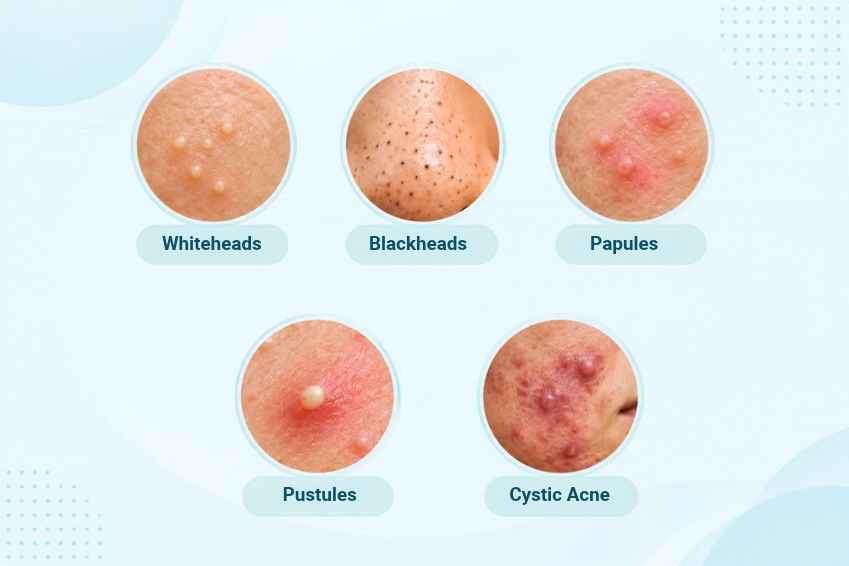
Acne in teenagers occurs in different forms. Knowing the type of acne helps in choosing the appropriate acne in teenagers treatment India.
- Whiteheads: Closed pores with trapped oil
- Blackheads: Open pores with oxidized oil
- Papules: Small red bumps
- Pustules: Pimples filled with pus
- Cystic Acne: Deep, painful acne that can cause scars
How to treat teenage acne?
Teenage acne treatment is a delicate balancing act. To achieve visible results, consistency is key.
1. Gentle cleansing routine
Wash your face twice a day with a mild cleanser. Avoid harsh scrubbing, which irritates your skin.
2. Use non-comedogenic products
Select products that do not clog pores. Oil-free moisturizers also assist in maintaining oil balance.
3. Topical treatments
Salicylic acid and benzoyl peroxide have been known to minimize acne. Topical treatments should be used with expert advice.
4. Healthy diet
Include fruits, vegetables, and water in your routine. Reduce your junk food consumption for clear skin.
5. Avoid touching your face
Touching or popping acne is known to spread bacteria, causing scarring.
6. Reduce stress
Relaxation techniques, adequate sleep, and breaks during study sessions minimize stress acne or exam season pimples.
Professional acne treatment options
When home treatments are insufficient, clinical treatments can give better results. Teenage acne treatment in India offers advanced treatments for acne.
Here’s how to treat acne:
- Chemical peeling treatments for exfoliation
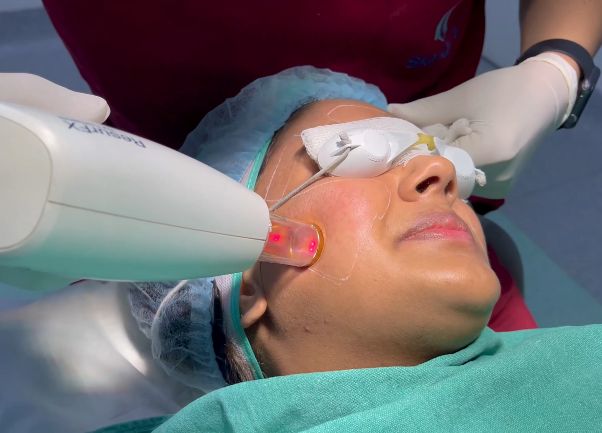
- Laser treatments to reduce inflammation
- Medical treatments to reduce oil production
- Extraction treatments for mild to severe acne
Dr. Jangid, MBBS, MD (Dermatology) also recommended combining these treatments with home treatments. This is because every teenager has unique skin. Acne in teenagers treatment Delhi offers personalized treatments.
Tips to prevent teenage acne
Prevention is also an important factor. These are some of the tips to prevent acne in teenagers:
- Clean your face regularly
- Avoid using oily products on your face
- Use sunscreen daily
- Maintain your hair clean and away from your face
- Take healthy food
- Drink plenty of water
- Take proper care of your stress level
By following these steps, it is easy to control teenage acne.
When to see a dermatologist?
Even mild cases of acne can be treated with home remedies. However, in some cases, it is best to see a doctor.
- Persistent and severe cases of acne
- Painful cysts and nodules
- Acne that leaves scars
- Lack of response to initial treatments
It is best to see a dermatologist early to ensure that the right acne in teenagers is treated and to prevent further complications.
Conclusion
Acne in teenagers is a common problem faced by teenagers. However, if proper understanding and the appropriate treatment are considered, the problem can be managed well. There are many factors that cause acne among teenagers, ranging from hormonal imbalances to stress acne exam season pimples.
FAQs
1. What causes teenage acne?
Teenage acne is caused by hormonal imbalances, excessive oil production, clogged pores, and bacteria. Additionally, lifestyle factors such as stress and dietary habits also cause acne.
2. What is the best acne treatment for teenagers?
The best treatment depends upon the extent of the problem. It may include using creams and undergoing clinical treatments along with lifestyle modifications.
3. Can stress cause acne in teenagers?
Yes, stress can cause acne in teens. Stress causes an increase in the production of oils, which leads to an increase in acne.
4. Is teenage acne permanent?
No, teenage acne is not permanent. It can be controlled with proper care.
Medical Disclaimer: This article is intended for general educational purposes only and does not replace professional medical advice, diagnosis or treatment. Acne and its treatment vary from person to person. Consult a qualified dermatologist for an individual assessment before starting or changing any treatment. Do not delay seeking professional advice based on information in this article.