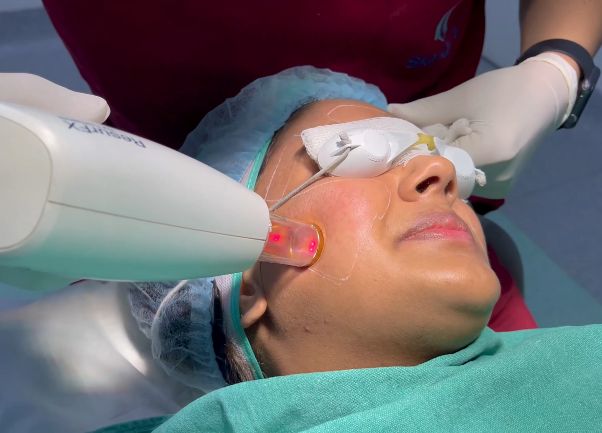
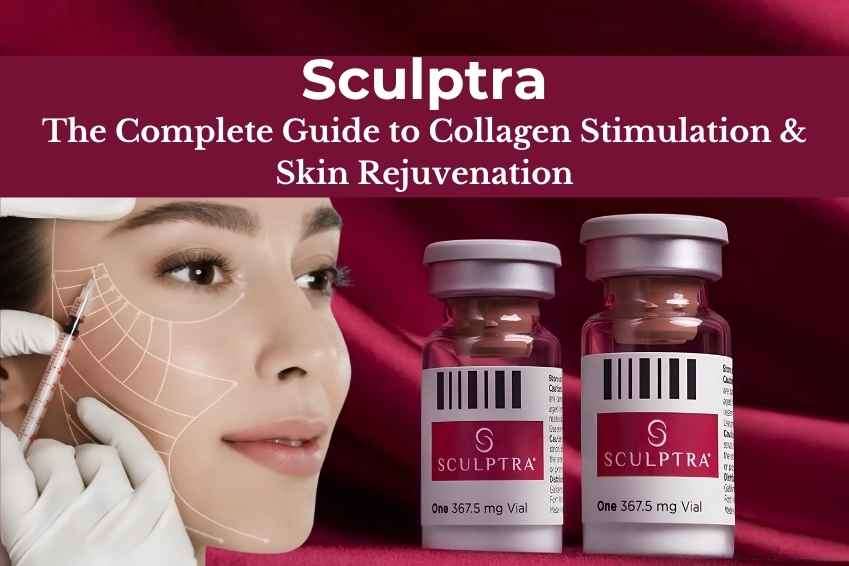
If you are considering Sculptra Treatment in Delhi, understanding how it works, what the procedure involves, how long results take and what risks may occur can help you make a more informed decision.
What Is Sculptra?
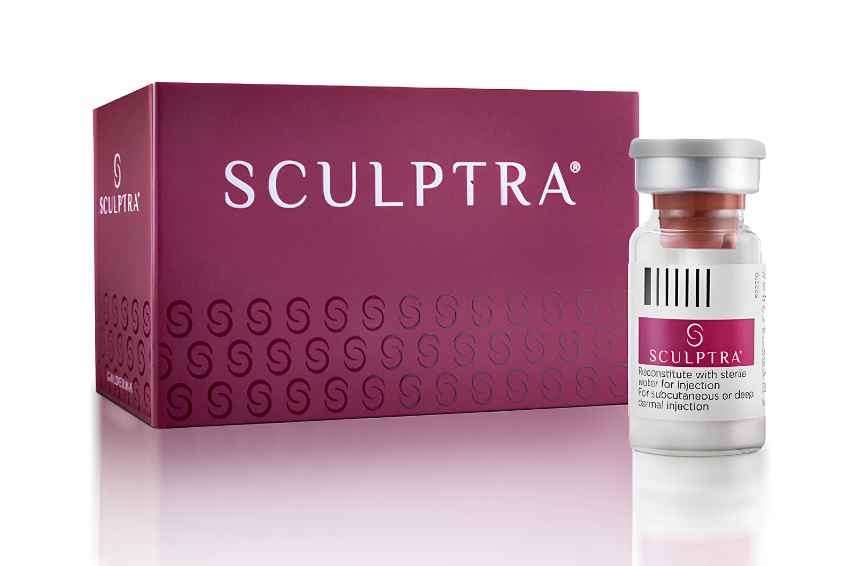
Sculptra is an injectable biostimulator containing poly-L-lactic acid (PLLA), a biodegradable synthetic material that has been used in medical applications for decades. Rather than simply placing volume under the skin, Sculptra is designed to stimulate collagen production progressively.
As collagen production increases, the skin may gradually become firmer and better supported. This can help improve the appearance of wrinkles, folds, skin quality and age-related facial volume changes. The effect is gradual, so Sculptra is different from treatments where the visual correction is primarily created immediately after injection.
Sculptra has been used internationally for more than 25 years, and Galderma announced its launch in India in 2026.
How Does Sculptra Work?
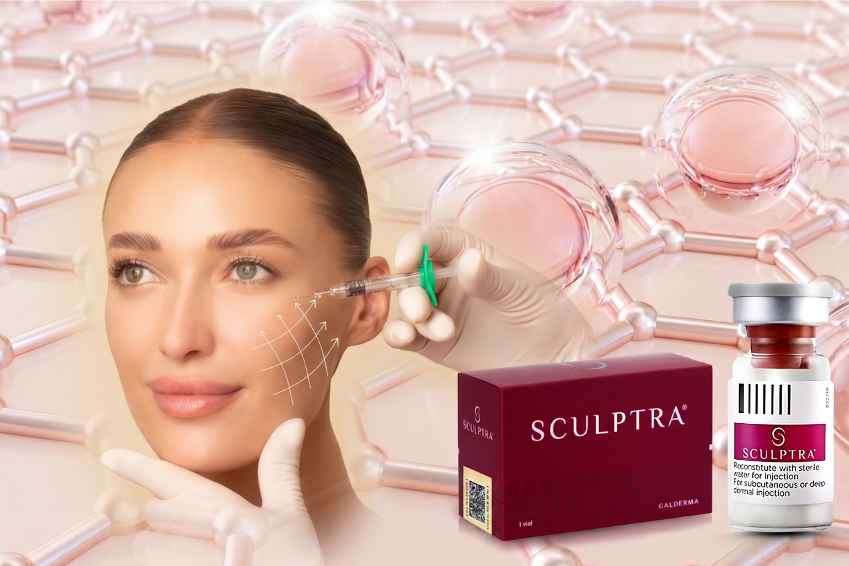
The active component, PLLA, stimulates a controlled biological response in the treated tissue. As the material gradually biodegrades, it encourages the formation of new collagen and connective tissue around the treatment area.
Think of it less like “filling a wrinkle” and more like encouraging the skin to rebuild some of its structural support.
This makes Sculptra particularly interesting for people concerned about:
- Early to moderate signs of facial ageing
- Fine lines and wrinkles
- Reduced skin firmness
- Loss of facial support or volume
- Changes in facial contours
- Overall skin quality
The extent of improvement varies between individuals and depends on factors such as age, anatomy, skin condition and treatment plan.
What Happens During Sculptra Treatment?
Before a Sculptra injection in Delhi, a qualified dermatologist should assess your facial anatomy, skin quality, medical history and aesthetic goals. This helps determine whether Sculptra is appropriate and which areas should be treated.
During the procedure, the skin is cleansed and the product is injected into the appropriate tissue layer using a suitable injection technique. Sculptra treatment in Delhi is generally performed as a planned series rather than as a single “instant correction.” Galderma describes a typical course as approximately three sessions over several months, although the treatment schedule is individualized.
The appointment itself may take around 30-60 minutes depending on the areas being treated.
When Will You See Sculptra Results?
One of the most important things to understand about Sculptra is that results are gradual.
Some patients may begin noticing changes after several weeks, while further improvement develops as collagen remodeling continues. Clinical information from Galderma reports visible improvements from around one month, with results potentially lasting up to two years depending on the indication and individual response.
Sculptra is therefore not the ideal choice for someone seeking immediate, dramatic volume correction. Its appeal lies in progressive improvement that can look more subtle and natural.
Sculptra vs Traditional Dermal Fillers
Sculptra and conventional dermal fillers are both injectable aesthetic treatments, but their primary approach differs.
Traditional fillers are generally used to add or restore volume, enhance contours or soften specific folds. Sculptra primarily stimulates collagen and gradually improves structural support.
In some patients, these approaches may complement one another. However, combining treatments should only be considered after an individual facial assessment.
Sculptra Cost in Delhi: What Determines the Price?
There is no single fixed Sculptra Cost in Delhi because treatment requirements vary considerably between patients. The overall cost can depend on the number of vials required, treatment areas, number of sessions, product availability and the expertise of the treating doctor.
A consultation is therefore more useful than choosing a clinic based solely on an advertised price. A personalized assessment can clarify how much treatment may actually be appropriate for your concerns.
Is Sculptra Safe? Side Effects and Downtime
Like any injectable procedure, Sculptra can cause temporary side effects. Common reactions include redness, swelling, bruising, tenderness, discomfort or itching around injection sites.
Less common complications can include lumps or nodules and inflammatory reactions. Product-specific instructions also note that some adverse reactions may occur later, which makes appropriate product selection, injection technique and follow-up important.
Most people can return to routine activities relatively quickly, although strenuous activity may need to be avoided briefly according to the treating doctor's advice.
Who Should Consider Sculptra?
Sculptra may be considered for adults seeking gradual facial rejuvenation, particularly when the concern involves collagen loss, reduced firmness or age-related changes in facial support.
It is not suitable for everyone. A dermatologist should review your medical history, allergies, skin condition and treatment expectations before recommending the procedure.
Why Choose SkinQure for Sculptra Treatment in Delhi?
Dermatologist-Led Aesthetic Treatments
Choosing Sculptra Treatment in Delhi should involve more than simply selecting a clinic based on price. Proper patient assessment, knowledge of facial anatomy, appropriate injection technique and careful follow-up are important for achieving a safe and natural-looking outcome.
SkinQure, a leading Skin Clinic in Delhi, provides dermatologist-led aesthetic treatments with a focus on individualized treatment planning. Dr Jangid (Ex-AIIMS), MD - Dermatology, Venereology & Leprosy, MBBS, leads the clinical approach, helping patients understand whether Sculptra is appropriate for their specific concerns and expectations.
Personalized Treatment Planning
At SkinQure, Sculptra is not approached as a one-size-fits-all procedure. The treatment plan is based on factors such as facial structure, degree of collagen and volume loss, skin quality, treatment goals and previous aesthetic procedures.
Before treatment, patients can discuss their concerns and understand the expected timeline, number of sessions, potential benefits, limitations and possible side effects.
Focus on Natural-Looking Results
Sculptra works gradually by stimulating collagen production, so treatment planning should take into account the patient's desired degree of rejuvenation and the natural progression of results. The aim is to support a balanced, refreshed appearance rather than create an overfilled look.
Safety and Medical Supervision
Because injectable treatments can have complications, appropriate patient selection and knowledge of facial anatomy are essential. SkinQure follows a dermatologist-led approach, with attention to treatment suitability, injection technique, product handling and post-treatment guidance.
Patients are also provided with appropriate aftercare instructions and guidance on when to contact the clinic if they experience an unusual or persistent reaction.
Convenient Locations in Delhi
SkinQure has clinics in Saket and Punjabi Bagh, making dermatologist-led aesthetic care accessible to patients looking for Sculptra in Delhi, Sculptra injection in Delhi, or Biostimulators Treatment in Delhi.
If you are considering Sculptra, a consultation can help determine whether collagen stimulation is suitable for your skin and whether another treatment may better address your concerns.
Instructions After Sculptra Treatment
Following the right aftercare routine can help minimise temporary swelling, bruising and discomfort and support a smooth recovery.
- Follow your dermatologist’s instructions: Aftercare can vary depending on the treatment area, injection technique and your skin’s response.
- Massage only if advised: Your dermatologist may recommend a specific massage routine after treatment. Follow the frequency and technique provided by your treating doctor rather than massaging the area aggressively.
- Avoid excessive heat: For the initial recovery period, avoid activities that expose the treated area to significant heat, such as saunas, steam rooms and very hot baths, unless your doctor advises otherwise.
- Limit strenuous exercise temporarily: Heavy workouts may increase flushing, swelling or discomfort. Resume exercise according to your dermatologist’s advice.
- Avoid unnecessary pressure on the treated area: Do not repeatedly press, rub or manipulate the injection sites.
- Protect your skin from the sun: Use a broad-spectrum sunscreen and avoid prolonged direct sun exposure while the skin is recovering.
- Avoid irritating skincare products: Your dermatologist may recommend temporarily avoiding strong exfoliants, retinoids or other potentially irritating products around the treated area.
- Expect some temporary reactions: Mild redness, swelling, tenderness or bruising can occur after injections and generally settle with time.
- Contact your doctor if something seems unusual: Severe or worsening pain, significant skin colour changes, vision changes or other unusual symptoms require prompt medical assessment.
Important: Sculptra results develop gradually, so do not judge the final outcome immediately after treatment. Attend your recommended follow-up appointments so your dermatologist can assess your response and decide whether any further sessions are appropriate.
Frequently Asked Questions
How long does Sculptra last?
Results may last up to around two years in appropriate patients, although duration varies according to individual factors and treatment indication.
How many Sculptra sessions are needed?
A course may involve approximately three sessions over several months, but the number and timing should be personalized after assessment.
Is Sculptra a filler?
Sculptra is classified as an injectable dermal filler in some regulatory and clinical contexts, but unlike traditional volumizing fillers, its key action is stimulating collagen production.
Is Sculptra painful?
Some patients experience pressure or discomfort during injections. Topical or local numbing measures may be used depending on the treatment plan.
Is Sculptra better than regular fillers?
Neither is universally better. Sculptra is designed for gradual collagen stimulation, while traditional fillers are primarily used for immediate volume and contour correction. The appropriate option depends on the patient's concerns and goals.
Conclusion
Sculptra offers a different approach to facial rejuvenation by encouraging the body's own collagen production rather than relying primarily on immediate volume replacement. For people exploring Sculptra Treatment Delhi, it can be an option for gradual improvement in facial firmness, structural support and signs of ageing. However, results and suitability vary, and the treatment should always be planned following an assessment by a qualified dermatologist.
Disclaimer: Individual treatment suitability and results vary. A consultation with a qualified dermatologist is recommended before choosing Sculptra or any injectable aesthetic treatment.
This article is Medically reviewed by Dr. B. L. Jangid, MD Dermatology
Ex-Senior Resident Dermatologist, AIIMS