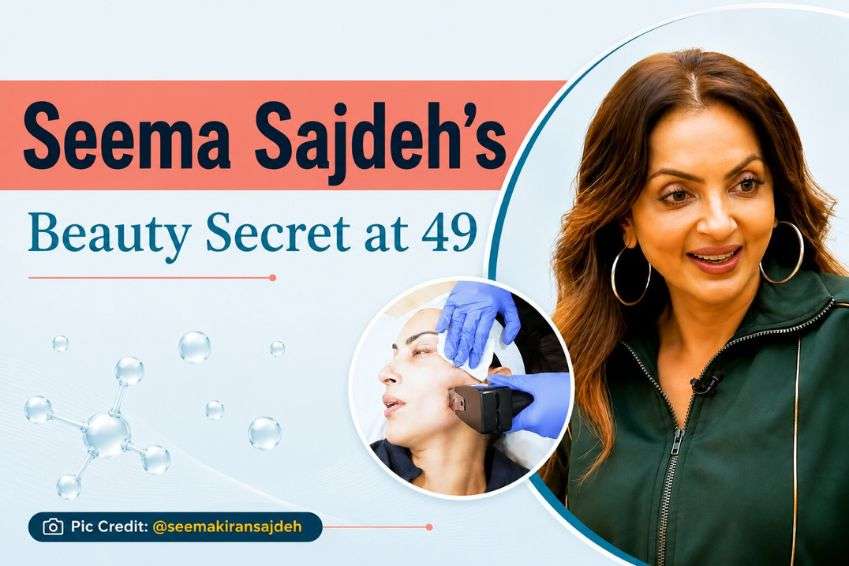
When celebrities openly discuss the skincare treatments they trust, beauty enthusiasts naturally take notice. Recently, fashion designer, entrepreneur, and television personality Seema Sajdeh shared that microneedling is one of her preferred treatments for maintaining healthy, glowing skin as she approaches 50. Her comments have sparked conversations about collagen-boosting treatments and preventive anti-ageing skincare.
The renewed interest comes at a time when Seema is also back in the spotlight after joining Amazon Prime Video's reality show Alliance as a wildcard contestant, bringing her signature confidence and style to the popular series.
While celebrity skincare routines can be inspiring, the real question is: What exactly is microneedling, and is it suitable for everyone?
Let's explore the science behind this increasingly popular treatment.
Who Is Seema Sajdeh?
Seema Sajdeh is an Indian fashion designer, entrepreneur, and television personality best known for her appearances in Fabulous Lives of Bollywood Wives and her fashion label. She remains active on Instagram, where she often shares glimpses of her lifestyle, fashion, and beauty journey through her official account, @seemakiransajdeh.
With her recent appearance on Alliance, Seema has once again become a trending personality. Alongside discussions about her reality-show journey, many fans have been curious about her youthful, radiant skin and overall approach to beauty.
Seema Sajdeh's Beauty Secret: Why Everyone Is Talking About Microneedling
According to recent vlog, Seema revealed that microneedling is one of the aesthetic treatments she relies on as part of her anti-ageing skincare approach. Rather than chasing dramatic cosmetic changes, she highlighted a treatment that focuses on improving overall skin quality-a philosophy that resonates with today's "healthy ageing" movement.
Her comments have brought renewed attention to collagen induction therapy, especially among people looking for non-surgical options to improve skin texture, fine lines, and radiance.
It's worth remembering that celebrity experiences are personal and shouldn't be viewed as medical advice. The right skincare treatment depends on your skin type, concerns, and a professional dermatologist's assessment.
What Is Microneedling?
Microneedling, also known as collagen induction therapy, is a minimally invasive dermatological procedure that uses fine, sterile needles to create controlled micro-injuries in the skin.
Although the tiny punctures may sound intimidating, they are carefully controlled. These microscopic channels stimulate the skin's natural healing response, encouraging the production of collagen and elastin-two essential proteins responsible for firm, smooth, youthful-looking skin.
Unlike treatments that simply target the skin's surface, microneedling works by activating the body's natural repair process. Research suggests it can improve skin texture, reduce the appearance of fine lines, soften certain acne scars, and enhance overall skin quality when performed by a trained professional. Clinical outcomes, however, vary depending on the individual's skin condition, treatment protocol, and consistency of care.
How Does Microneedling Help Ageing Skin?
One of the biggest reasons microneedling has become a favourite among dermatologists and celebrities alike is that it works with your skin-not against it.
As we age, collagen production naturally declines by about 1% each year after our mid-20s. This gradual loss contributes to fine lines, wrinkles, enlarged pores, uneven texture, and reduced skin firmness. Microneedling helps stimulate the skin's natural wound-healing response, encouraging the production of fresh collagen and elastin that can improve overall skin quality over time
Here's how microneedling may help:
1. Softens Fine Lines and Early Wrinkles
Fresh collagen can improve skin firmness, making fine lines less noticeable. While microneedling doesn't replace surgical procedures for advanced ageing, it can be an effective option for people with mild to moderate signs of ageing.
2. Improves Skin Texture
Uneven skin texture caused by ageing, previous acne, or sun damage may gradually improve as new collagen remodels the skin.
3. Enhances Skin Radiance
Many people notice that their skin looks healthier and more refreshed after healing. Improved skin texture and hydration often contribute to the "glow" associated with microneedling.
4. Reduces Acne Scars
Microneedling is commonly recommended for atrophic (depressed) acne scars because collagen remodeling may gradually soften their appearance. The American Academy of Dermatology recognizes microneedling as a treatment option for acne scars, uneven skin texture, and fine lines when performed by a qualified dermatologist.
5. Improves Product Absorption
The temporary microchannels created during treatment can enhance the penetration of dermatologist-recommended topical products immediately after the procedure. These channels close naturally as the skin heals.
Is Microneedling Right for Everyone?
Although microneedling is suitable for many individuals, it is not a one-size-fits-all treatment.
A dermatologist may recommend it if you have:
- Early signs of ageing
- Fine lines and wrinkles
- Mild acne scars
- Enlarged pores
- Uneven skin texture
- Sun-damaged skin
- Dull complexion
However, treatment may be postponed or avoided if you have:
- Active acne breakouts
- Skin infections
- Eczema or psoriasis in the treatment area
- Certain bleeding disorders
- A tendency to develop keloid scars
- Recent use of isotretinoin (depending on your dermatologist's advice)
A comprehensive skin evaluation is essential before deciding whether microneedling is appropriate.
At What Age Should You Start Microneedling?
There is no "perfect" age to begin microneedling. The ideal timing depends on your skin concerns rather than your birth certificate.
- In your 20s: It may be recommended for acne scars, enlarged pores, or preventive collagen support.
- In your 30s: Many people consider microneedling for early fine lines, uneven texture, and maintaining skin firmness.
- In your 40s and beyond: It is commonly used as part of a comprehensive anti-ageing plan to improve skin quality, elasticity, and overall rejuvenation.
As Seema Sajdeh's experience highlights, healthy ageing isn't necessarily about looking younger overnight-it's about maintaining healthy, resilient skin with treatments that support its natural biology.
What to Expect During a Microneedling Session
A typical treatment at a dermatology clinic includes:
- Consultation: Assessment of your skin concerns, medical history, and treatment goals.
- Skin Preparation: Cleansing followed by a topical numbing cream for comfort.
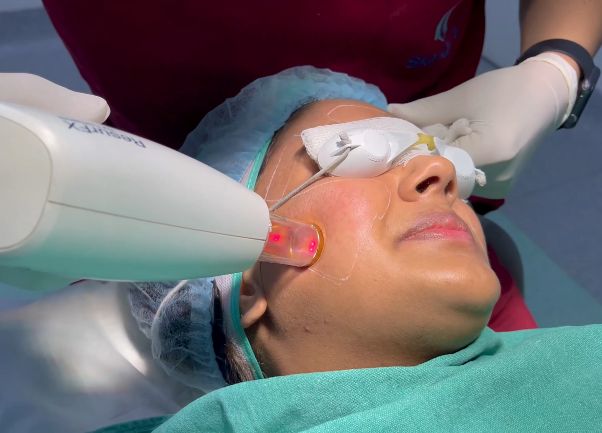
- Microneedling Procedure: A medical-grade device with sterile, fine needles creates controlled micro-injuries across the treatment area.
- Post-Treatment Care: A soothing serum or recovery product is applied, and detailed aftercare instructions are provided.
Most sessions take 30-60 minutes, depending on the treatment area.
Recovery and Results
Microneedling usually involves minimal downtime.
You may experience:
- Mild redness (similar to a sunburn)
- Slight swelling
- Skin tightness
- Temporary sensitivity
These effects generally improve within 24-72 hours, though deeper treatments may require a slightly longer recovery.
Visible improvements are gradual because collagen remodeling takes time. Many patients notice healthier-looking skin after a few weeks, with continued improvements over the following months. Multiple sessions are often recommended for concerns such as acne scars or more pronounced signs of ageing.
Expert Care Matters
Microneedling is a medical procedure and should always be performed after an assessment by a qualified dermatologist. The U.S. FDA and the American Academy of Dermatology both recommend seeking treatment from trained healthcare professionals to reduce the risk of infection, scarring, and other complications.
At SkinQure, microneedling treatments are performed after a detailed consultation with Dr. Jangid, MD (Dermatology). Every treatment plan is personalized based on the patient's skin type, concerns, and aesthetic goals. Depending on your skin's needs, microneedling may also be combined with other evidence-based anti-ageing treatments to achieve the most appropriate outcomes.
SkinQure offers advanced anti-ageing and skin rejuvenation treatments at its Delhi clinics, with personalized treatment packages currently available. To explore the latest offers or book a consultation, visit the SkinQure website and choose a consultation that suits your skin goals.
We appreciate Seema Sajdeh for openly sharing her skincare journey and encouraging conversations around evidence-based aesthetic treatments and healthy ageing. Public discussions like these help people make more informed decisions about their skin health. We wish Seema continued success in her career and on her journey in Alliance, and hope she continues to inspire confidence, self-care, and a positive approach to ageing gracefully.
Frequently Asked Questions (FAQs)
1. What is microneedling, and how does it work?
Microneedling is a minimally invasive dermatological procedure that uses fine, sterile needles to create controlled micro-injuries in the skin. This stimulates the skin's natural healing response, encouraging collagen and elastin production, which can improve skin texture, fine lines, acne scars, and overall skin quality over time.
2. Is microneedling suitable for anti-ageing?
Yes. Microneedling is commonly recommended for individuals with early to moderate signs of skin ageing, including fine lines, uneven skin texture, enlarged pores, and mild skin laxity. While it does not stop the ageing process, it can support healthier, firmer-looking skin by promoting natural collagen remodeling.
3. How many microneedling sessions are usually needed?
The number of sessions varies depending on your skin concerns and treatment goals. Many patients benefit from a series of 3-6 sessions spaced 4-6 weeks apart. Your dermatologist will recommend a personalized treatment plan after evaluating your skin.
4. Is there any downtime after microneedling?
Most people experience mild redness, slight swelling, and skin sensitivity for 24-72 hours after treatment. Recovery time depends on the depth of the procedure and individual skin response. Following your dermatologist's aftercare instructions helps support optimal healing.
5. Where can I get professional microneedling treatment in Delhi?
If you're considering microneedling for anti-ageing, acne scars, or skin rejuvenation, it's important to consult a qualified dermatologist. At SkinQure, Dr. Jangid (MD – Dermatology) provides personalized skin assessments and evidence-based treatment plans to help patients achieve healthier, naturally rejuvenated skin.
Conclusion
Seema Sajdeh's skin care journey reflects a growing shift toward treatments that enhance skin health rather than simply masking signs of ageing. Her openness about choosing microneedling has encouraged many people to explore scientifically backed, non-surgical options for maintaining healthy, radiant skin. While microneedling offers promising benefits for collagen stimulation, skin texture, and overall rejuvenation, the best results come from a personalized treatment plan designed by a qualified dermatologist. At SkinQure, Dr. Jangid (MD - Dermatology) provides customized anti-ageing solutions tailored to your unique skin concerns using evidence-based protocols and advanced aesthetic technology. If you're looking to invest in long-term skin health, schedule a consultation at our Delhi clinic to discover whether microneedling is the right choice for your skincare goals.
Author's Note
This article is based on publicly available interviews and news reports regarding Seema Sajdeh's comments on microneedling. The references to her skincare routine are used for educational and informational purposes only. All medical information has been reviewed against current dermatology literature and is not intended to replace professional medical advice.