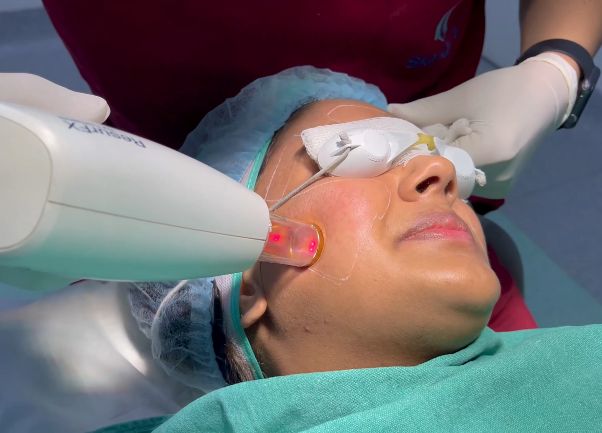

Choosing the right Psoriasis treatment in Delhi provides an opportunity for proper management of the condition with increased control and relief from the condition.
What is Psoriasis?
Psoriasis is an immune-related condition that accelerates the growth of skin cells, which eventually forms thick patches. Flare-ups also occur due to certain factors, which include stress, infections, weather, and certain medications. Dry skin and certain lifestyle factors also contribute to the condition. It is essential to get proper care and guidance for the condition in order to manage it properly.
Identifying the causes of psoriasis is the first step before going for the treatment. It is essential to avoid the factors causing Psoriasis. It also helps in proper control of the condition.
What area of the body is affected by psoriasis?
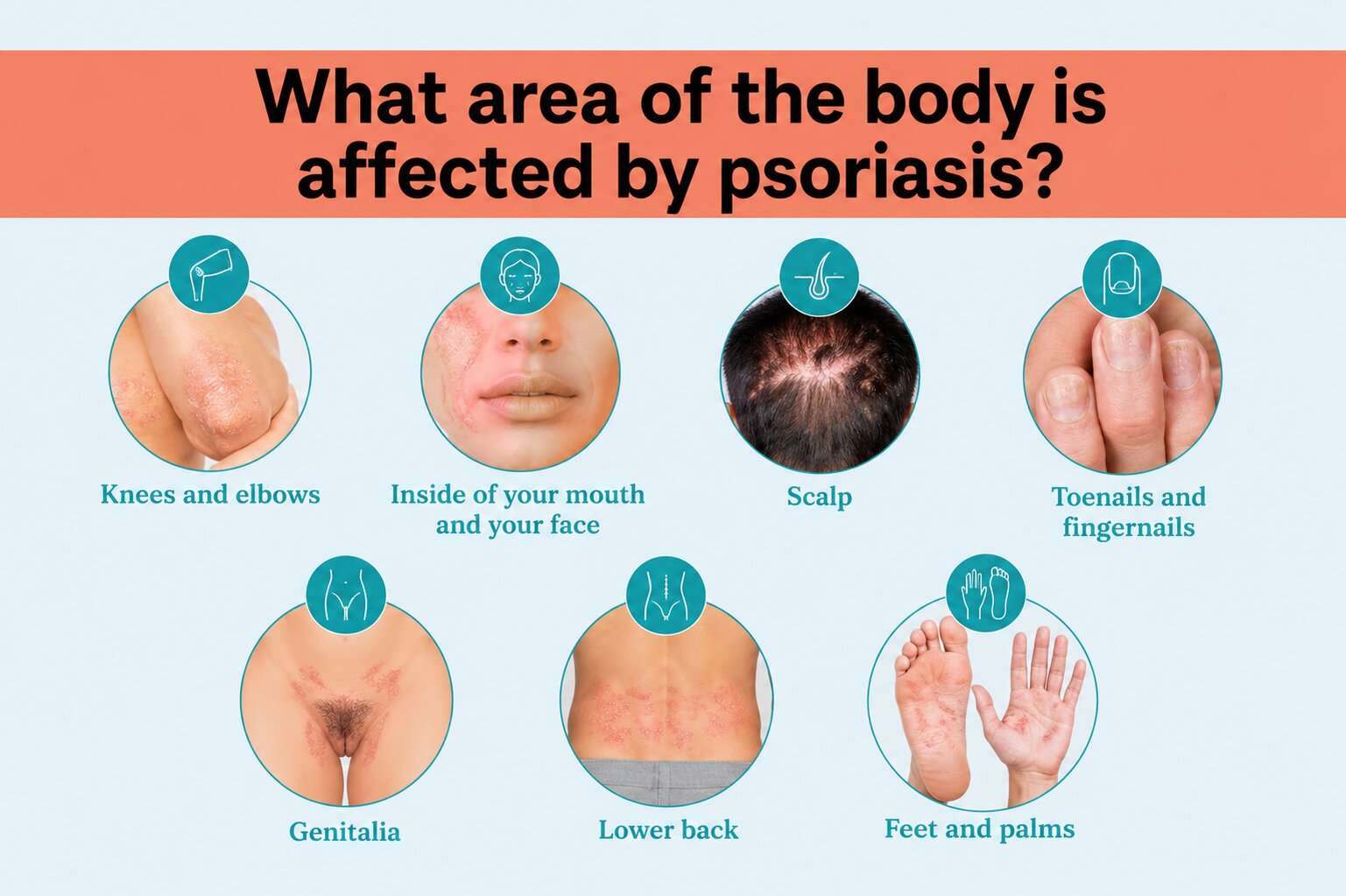
Psoriasis appears as a rash on any area of your body. Psoriasis majorly appears on your:
- Knees and elbows
- Inside of your mouth and your face
- Scalp
- Toenails and fingernails
- Genitalia
- Lower back
- Feet and palms
Psoriasis often affects a tiny portion of the skin. In extreme situations, a larger area of your body is covered by the plaques.
Common Symptoms of Psoriasis
The symptoms differ from person to person. Some of the common symptoms include:
- Red patches with silvery scales
- Itching or burning sensation
- Dry and cracked skin
- Thickened nails
- Joint pain in severe cases
SkinQure clinic in Delhi provides an early detection which helps to prevent complications. Early treatment improves the condition of the skin and reduces the discomfort.
Importance of Flare-Up Control
Flare-ups affect our day-to-day activities. It causes irritation, low confidence, and discomfort. Controlling flare-ups is an essential part of the treatment. It reduces the inflammation and keeps the skin hydrated.
SkinQure offers an effective flare-up treatment for psoriasis including topical treatment, advanced treatment, and lifestyle changes. It is essential to keep a check through regular appointments, which gives better results. It reduces the risks of severe flare-ups.
Various types of psoriasis treatment
There are several treatment options available for psoriasis. It depends on the severity and the type of skin.
1. Topical Treatments
Creams and ointments help reduce the inflammation and scaling. It is used for mild to moderate psoriasis. It improves the texture of the skin and reduces the irritation.
2. Phototherapy
This is a type of treatment that involves controlled exposure to light to reduce the rate of growth of skin cells. The psoriasis flare-up treatment options is good for people with moderate psoriasis.
3. Oral Medications
Severe psoriasis may require doctors to recommend oral medication. This type of treatment involves internal control of the disease.
4. Advanced Therapies
Modern treatments for psoriasis have improved a lot. The Psoriasis treatment in Delhi focus on providing individualized care for patients.
According to Dr. Jangid, using a combination of treatments is beneficial for the skin.
Role of lifestyle in psoriasis management
Lifestyle is one of the key factors that play a major role in the management of chronic skin conditions in India.
Some of the key lifestyle changes that help manage psoriasis are:
- Maintaining moisturized skin
- Managing stress
- Eating a healthy diet
- Quitting smoking
- Practicing good hygiene
It is important for people with psoriasis to maintain good skin care routines to ensure good skin health.
Conclusion
Psoriasis is a condition that requires constant care and timely treatment to ensure that the flare-ups are properly treated. This helps to reduce the pain and improve the health of the skin. Selecting the best Psoriasis treatment in Delhi makes sure that the symptoms are observed properly and treated from its root.
The use of modern treatment, expert advice, and lifestyle changes are essential in helping to manage the symptoms of psoriasis and attain relief.
FAQs
1. What is the best Psoriasis treatment in Delhi?
The best Psoriasis treatment in Delhi is recommended to patients as per patient’s severity. It includes topical creams, phototherapy, and other forms of treatment. A dermatologist offer a a specialised treatment plan for the best results.
2. What are the common treatments for psoriasis flare-ups?
The common treatments for psoriasis flare-ups include medicated ointments, light therapy, and oral medicines. These treatments are effective because they reduce the swelling of the affected areas.
3. Is psoriasis a lifelong disease?
Yes, psoriasis is a chronic disease. Although it is not curable, proper treatment can control its symptoms and improve your health.
4. How often should I visit the clinic to treat psoriasis?
The frequency of your visits depends on the level of severity of the disease.
5. What are the factors affecting psoriasis flare-up?
There are several factors that affect psoriasis flare-ups are stress, infections, weather changes, and certain medications. Knowing the triggers can help control the flare-up.