
Vitiligo Treatment: New Hope for White Patches
Vitiligo is a medical condition found to impact a person’s skin, causing issues with self-confidence and mental well-being. The existence of white patches on someone’s skin results in some questions and misconceptions. But today, modern medical science has advanced and effective solutions for Vitiligo Treatment. Many patients with this medical condition have been able to experience improvement with right vitiligo treatment and proper consistent efforts.
Vitiligo, pronounced "vit-il-EYE-go," is a skin disorder that results in pigmentation loss. This makes your skin look whiter or lighter compared to its actual color. If the part of the skin involved is less than a centimetre in width, it is called macule; otherwise, it is referred to as patch.
The condition occurs due to the destruction of melanocytes brought about by the immune system of your body. Melanocytes are skin cells responsible for producing the skin pigment melanin.
Who is affected by Vitiligo?
Vitiligo affects individuals of any ethnicity and both genders equally. It is more easily noticed in individuals with darker skin tones. Macules or patches occur before the age of thirty years, although it can occur to anyone of any age group.
Early Signs and symptoms of Vitiligo
The foremost symptom of vitiligo is the development of milky white patches on the skin. These patches usually begin small and grow in size. Other symptoms of vitiligo are premature whitening of the hair, loss of pigment in the mouth, and change in color of the retina.
This helps the doctor treat the white patch before the loss of pigment has been severe. Seeking early treatment makes a big difference.
Causes and Risk Factors of vitiligo
.jpg)
Vitiligo has been characterized by some as an autoimmune disease in which the body’s melanin cells, called melanocytes, are attacked by the body itself. Family predisposition is one of the risk factors. Stress, injury to the skin, hormonal imbalances, and chemical exposure may precipitate the disease. According to Dr. Jangid, stress control and taking care of one’s skin can help in slowing the progression of the disease.
Contemporary vitiligo treatment
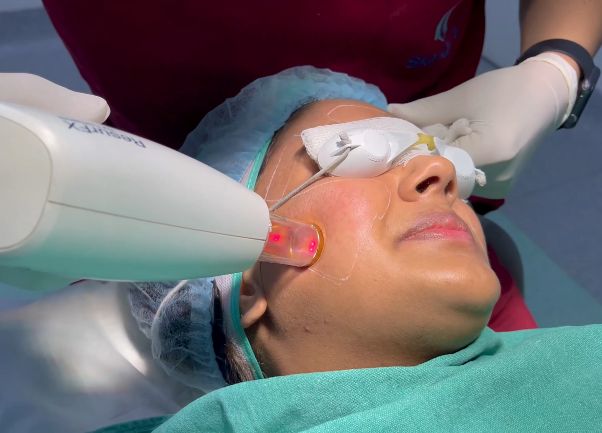
Advances in dermatology care have led to the development of efficient vitiligo treatments. Such include medications, light therapy, and sophisticated techniques. Selection varies according to the patient’s age, skin patch size, and disease activity stage.
Topical creams are used to reduce the inflammation and promote the pigment cells. Phototherapy is another method by which the body is exposed to light. The treatment plan proposed by Dr. Jangid at SkinQure focused on individual treatment rather than the usual treatment for the condition.
Effects of vitiligo on emotions and mental health
This condition often impacts self-esteem. Emotions and socialization may also be impacted. Counselling and patient education are required for better management of Vitiligo. According to Dr. Jangid, focusing on the mental part impacts the overall treatment.
Can vitiligo be completely eradicated?
Although there cannot be a remedy that will surely cure the condition, modern treatments available for Vitiligo will definitely achieve substantial restoration of pigmentation and halt progression of the disease. Many patients experience enduring benefit with appropriate treatment. Selection of an apt center for Vitiligo cure in Delhi will raise the potential of good outcomes.
Conclusion
Vitiligo is a skin disorder that affects your skin's appearance. Since it is not harmful, there is no need for therapy. However, vitiligo skin changes frequently have an impact on people's self-esteem and cause them to feel uneasy or nervous. If you are suffering from Vitiligo visit SkinQure at your early face for effective results.
FAQs
1. Is vitiligo transmissible via contact?
No, vitiligo is not contagious. Physical contact, sharing objects, or being close to someone who has the illness cannot spread it.
2. Can vitiligo be fully treated?
No, vitiligo cannot be fully treated. However, depigmentation therapy, topical medicines, and phototherapy can help control and improve vitiligo.
3. Can vitiligo be improved with diet?
A balanced diet that is rich in antioxidants, vitamins, and minerals improves skin health and reduces the chance of vitiligo from spreading. There is no such specific diet that can treat vitiligo.
4. How long does it take for vitiligo treatments to show results?
The duration varies according to the individual's diet and care. In some cases, patients may need months of regular therapy, others may not recover even after months.