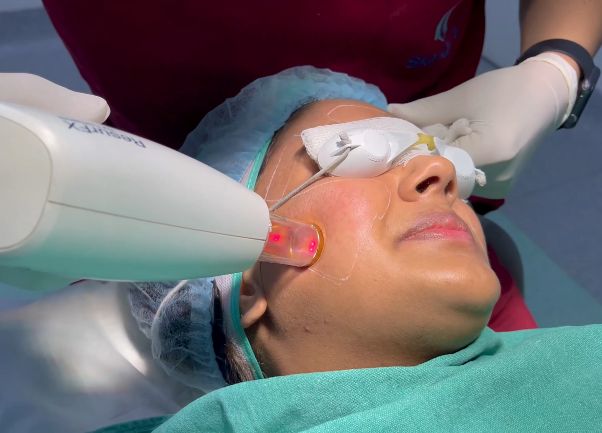
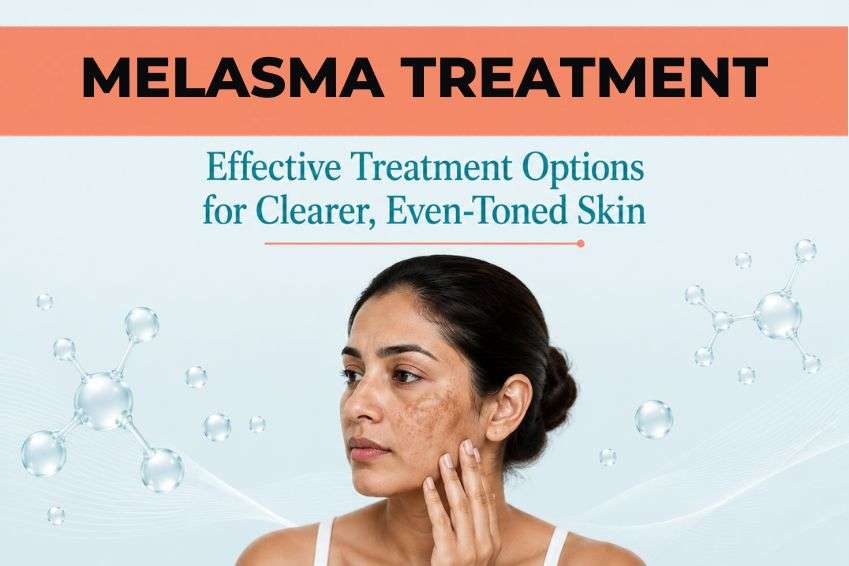
Many people experiencing facial pigmentation search for the most effective Melasma Treatment in Delhi to reduce stubborn pigmentation and restore an even skin tone. Seeking treatment early is important, as timely intervention can help prevent pigmentation from becoming more persistent and difficult to manage.
Consulting an experienced Melasma Specialist in Delhi is one of the most effective ways to identify the underlying cause of pigmentation and receive a personalized treatment plan. Depending on the severity of the condition, your dermatologist may recommend topical medications, chemical peels, laser therapy, or combination treatments as part of a comprehensive Pigmentation Treatment in Delhi approach.
What is Melasma?
Melasma is a common form of facial hyperpigmentation that causes brown or grey patches on the skin. It most commonly affects the cheeks, forehead, nose, upper lip, and chin, although it may occasionally appear on other sun-exposed areas of the body.
The condition occurs when melanocytes (pigment-producing cells) produce excess melanin, leading to uneven skin pigmentation. Common triggers include prolonged sun exposure, hormonal fluctuations, pregnancy, oral contraceptives, genetics, and certain medications.
Although melasma is not dangerous or contagious, it can be challenging to manage without professional care. Seeking Melasma Treatment in Delhi at an early stage can help control pigmentation more effectively while improving overall skin appearance. Many dermatologists also recommend combining treatment with appropriate sun protection as part of long-term Pigmentation Treatment in Delhi.
How Common is Melasma?
Melasma is one of the most common pigmentary disorders worldwide, particularly among women. Studies suggest that approximately 90% of melasma cases occur in women, although men can also develop the condition.
The condition is more frequently seen in individuals between the ages of 20 and 40 years, especially those with medium to darker skin tones (Fitzpatrick skin types III–V). Hormonal changes during pregnancy often increase the likelihood of developing melasma, which is why it is commonly known as the "mask of pregnancy."
People with darker complexions are also more prone to recurrent pigmentation because their skin naturally contains more active melanocytes.
Who is at Risk of Melasma?
Although anyone can develop melasma, certain individuals have a higher risk.
You may be more likely to develop melasma if you:
- Are female Are pregnant or experiencing hormonal changes
- Use hormonal contraceptives or hormone replacement therapy
- Have a family history of melasma
- Have a medium to dark skin tone
- Spend prolonged periods in the sun without adequate protection
- Are frequently exposed to visible light or heat
Daily UV exposure remains one of the strongest triggers for melasma. Even brief periods outdoors without sunscreen may worsen existing pigmentation.
According to Dr. Jangid (MD - Dermatology , Venereology & Leprosy, MBBS;
Dermatologist) early diagnosis and a personalized treatment approach can significantly improve melasma management. Along with professional treatment, consistent skincare and daily sun protection play a crucial role in reducing recurrence and maintaining long-term results.
Consulting a qualified Melasma Specialist in Delhi allows for a detailed skin assessment, helping determine the type and depth of pigmentation before recommending the most suitable treatment.
Benefits of Melasma Treatment in Delhi
Professional Melasma Treatment in Delhi aims not only to reduce pigmentation but also to improve overall skin health through a personalized treatment plan.
1. Improves Skin Tone
Professional treatment helps reduce excess pigmentation, resulting in a clearer, more even complexion. As pigmentation gradually fades, overall skin tone appears healthier and more balanced.
2. Boosts Confidence
Visible pigmentation can affect self-esteem. As the appearance of melasma improves, many people feel more confident in their skin and less dependent on makeup to conceal dark patches.
3. Helps Prevent Pigmentation from Worsening
Early treatment combined with appropriate skincare and sun protection can help prevent melasma from becoming darker or spreading to new areas.
4. Supports Healthier Skin
Many modern treatment approaches not only target pigmentation but also improve overall skin texture, brightness, and skin barrier function.
5. Personalized and Safe Treatment Options
Today, several evidence-based options are available for Pigmentation Treatment in Delhi. Your dermatologist will recommend the most appropriate treatment based on your skin type, pigmentation depth, and medical history.
Best Melasma Treatment Options in Delhi
There is no single treatment that works for everyone. The best Melasma Treatment in Delhi depends on factors such as skin type, pigmentation depth, lifestyle, and underlying triggers. Dermatologists often combine multiple therapies to achieve the best possible results.
1. Laser Therapy
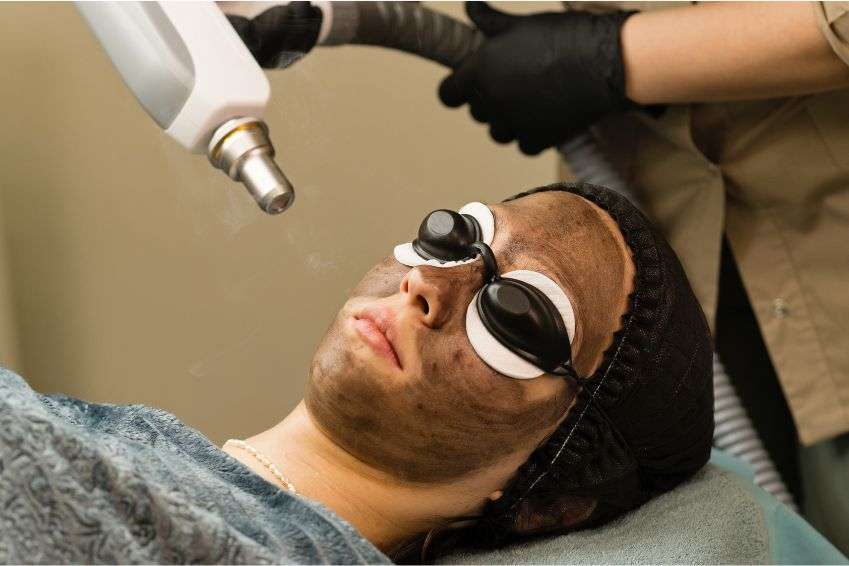
Laser therapy targets excess pigmentation by selectively breaking down melanin within the skin. It may be recommended for carefully selected patients with persistent or treatment-resistant melasma.
While laser treatment can significantly improve pigmentation, it should only be performed after a detailed skin evaluation because not every type of melasma responds equally well. Maintenance treatment and strict sun protection remain essential, as melasma can recur over time.
Laser therapy is considered one of the advanced options for Pigmentation Treatment in Delhi, particularly when combined with topical medications and appropriate skincare.
2. Chemical Peels
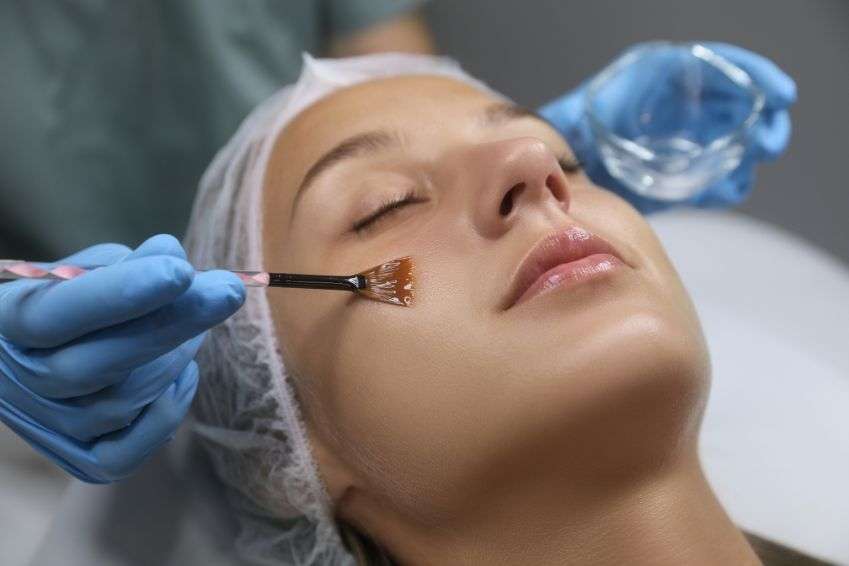
Chemical peels work by gently exfoliating the outer layers of the skin, encouraging healthier skin cell turnover and reducing superficial pigmentation.
They are commonly recommended for patients with mild to moderate melasma and may also improve skin texture and brightness. Multiple sessions are often required for optimal results, depending on the severity of pigmentation.
3. Topical Medications
Prescription creams containing ingredients such as hydroquinone, azelaic acid, kojic acid, retinoids, or tranexamic acid may help reduce excess melanin production.
These medications are generally most effective during the early stages of melasma and are often used alongside in-clinic procedures as part of a comprehensive treatment plan.
4. Microdermabrasion
Microdermabrasion is a gentle exfoliation procedure that removes dead skin cells from the skin's surface.
Although it is not considered a primary treatment for melasma, it may be recommended in selected patients to improve skin texture and enhance the absorption of dermatologist-prescribed topical products.
5. Sun Protection Therapy

Daily sun protection is one of the most important components of successful Melasma Treatment in Delhi.
Dermatologists recommend using a broad-spectrum sunscreen (SPF 30 or higher) every day, even on cloudy days or while indoors near windows. Wearing protective clothing, sunglasses, and wide-brimmed hats can further reduce UV exposure and help prevent pigmentation from returning.
Consistent sun protection not only supports treatment results but also plays a vital role in long-term Pigmentation Treatment in Delhi and melasma management.
Conclusion
Melasma is a common yet manageable skin condition that requires a personalized and consistent approach to treatment. With the right combination of topical medications, chemical peels, laser therapy, and daily sun protection, it is possible to significantly reduce pigmentation and achieve a more even skin tone. Choosing an experienced Melasma Specialist in Delhi is essential for identifying the underlying cause and recommending the most suitable Melasma Treatment in Delhi based on your skin type and the severity of pigmentation. At SkinQure Clinic, our dermatologists offer evidence-based Pigmentation Treatment in Delhi with customized treatment plans designed to deliver safe, long-lasting results. While melasma can recur, regular follow-ups, proper skincare, and diligent sun protection can help maintain healthier, clearer-looking skin over time.
FAQs
What is the best Melasma Treatment in Delhi?
The best Melasma Treatment in Delhi depends on factors such as the depth of pigmentation, skin type, and underlying causes. A qualified Melasma Specialist in Delhi may recommend topical medications, chemical peels, laser therapy, or a combination of treatments after a detailed skin assessment.
Is melasma permanent?
Melasma is not permanent, but it is a chronic condition that can recur if triggers such as sun exposure or hormonal changes are not managed. Appropriate Melasma Treatment in Delhi, combined with regular sunscreen use and dermatologist-recommended skincare, can help control pigmentation effectively.
How long does Melasma Treatment in Delhi take?
The duration of Melasma Treatment in Delhi varies from person to person depending on the severity of pigmentation and the treatment method used. Some individuals notice improvement within a few weeks, while others may require several months of treatment. Regular follow-up appointments and adherence to the prescribed treatment plan are important for achieving the best possible results.
Is sunscreen important during melasma treatment?
Yes. Daily application of a broad-spectrum sunscreen is one of the most important parts of managing melasma. Sunscreen protects the skin from harmful UV rays and visible light, helping prevent existing pigmentation from becoming darker and reducing the risk of recurrence after Pigmentation Treatment in Delhi.
Is laser treatment safe for melasma?
Laser treatment can be a safe and effective option for selected patients when performed by an experienced Melasma Specialist in Delhi after a thorough skin evaluation. However, not every type of melasma is suitable for laser therapy, and treatment should always be individualized. Your dermatologist will determine whether laser therapy is appropriate based on your skin type, pigmentation pattern, and medical history.