Eczema Skin Treatment: Relief & Recovery Plan
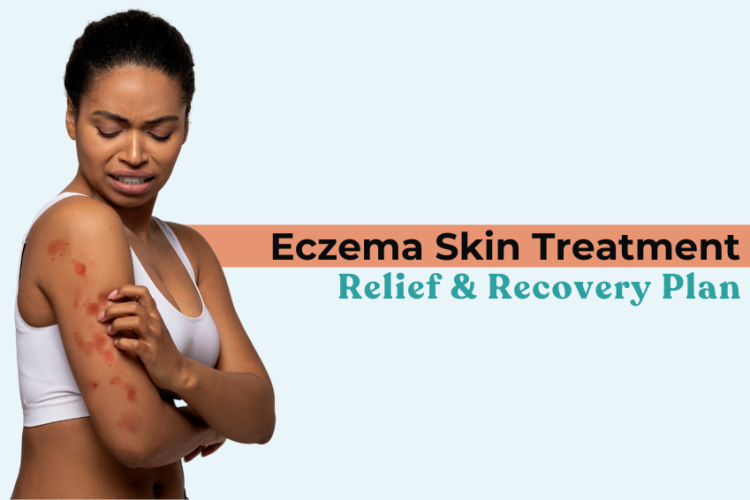
Eczema is a long-term skin condition which disrupts people from their normal lives. This is an inflammatory skin condition involving itching, dryness, inflammation, and discomfort on the affected individual's skin. There are often stress-related complications because it strikes patients unexpectedly. For this reason, some people want to get rid of this skin disorder. Efficient eczema skin treatment involves early treatment, accurate prognosis, and advice from professional at best skin clinic in delhi.
This blog explores details about eczema skin treatment, and different relief options.
What is eczema?
Eczema is a type of inflammatory disease that affects the skin. Eczema makes the skin weak and sensitive to various substances to which it comes in contact. As a result of this condition, substances enter the body and cause havoc on their own.
The body’s skin starts itching and may become dry, cracked, and inflamed due to this disease.
Eczema is not a contagious disease.
Eczema occurs periodically in phases which are termed "flare-ups and remission." eczema skin treatment helps strengthen the patient
Various symptoms of eczema?
Here’s how symptoms of eczema include:
Itchy skin
Bumps on your skin
Dry skin
Thick, leathery patches of skin
Flaky, scaly or crusty skin
Skin rashes
Swelling
How is eczema identified?
Eczema is diagnosed by a medical professional during a physical examination. It allows them to closely examine your skin. Since eczema is common in children, people are typically diagnosed with it when they are young, but symptoms can appear at any age.
Eczema symptoms may resemble those of other illnesses. In order to confirm your diagnosis and rule out other diseases, your provider may recommend tests. Tests may consist of:
A test for allergies
Blood testing to look for reason behind rashes
A skin sample is taken to differentiate between different types of dermatitis
Different types of eczema
Atopic Dermatitis
This is the most common form. It usually starts in childhood. The skin becomes dry, itchy, and inflamed. Flare-ups are triggered by allergens, stress, or weather changes.
Contact Dermatitis
This type appears after skin contact with irritants or allergens. Soaps, chemicals, or metals can trigger it. The rash appears only on exposed areas.
Dyshidrotic Eczema
This type of eczema causes small, itchy blisters on hands and feet. It often worsens with stress, sweating, or humid weather. Peeling may follow healing.
Nummular Eczema
This type appears as round, coin-shaped patches on the skin. These patches are itchy and scaly. Dry weather worsens the condition.
Seborrheic Dermatitis
This type affects oily areas like the scalp, face, and chest. It causes redness and flaky scales. It is often linked to yeast overgrowth.
Stasis Dermatitis
This type occurs due to poor blood circulation in the legs. Swelling and discoloration appear. It is common in people with vein problems.
How common is eczema?
Eczema affects nearly 10% of the global population. It is common in both children and adults. Many people experience mild to moderate symptoms that need long-term care.
Different eczema treatment options
Topical Medications
Generally, creams and ointments reduce redness and itching. It helps to calm inflammation and repair the skin barrier. Regular use of topical medication helps to reduce eczema from its root.
Moisturizer
Medicated moisturiser helps to restore skin hydration. Moreover, it helps to prevent dryness and cracking. Applying moisturiser daily on eczema helps to reduce itchiness.
Oral Medications
For some cases, dermatologists suggest Oral Medications which help control inflammation and allergies.
Change in lifestyle
Identifying the cause of eczema is most important because it helps to treat eczema from its root. Changes in diet, clothing, and skincare routines reduce the chance of eczema from recurrence.
Conclusion
Eczema is a chronic inflammatory skin condition which causes crack skin and infection. Following a correct eczema skin treatment on time, patients get discomfort and prevent flare-ups. Early diagnosis, proper care, and expert guidance helps to treat mild to chronic acne.
SkinQure provides trusted eczema solutions under experienced dermatologists. According to Dr. Jangid, consistent eczema skin treatment and skin care habits offer long-term relief. Healthy skin is always achieved with the right support.
FAQs
Which is the best long-term-effective eczema skin treatment?
The most effective eczema skin treatment encompasses topical medications, daily moisturizing, and control of triggers.
Can eczema be treated forever?
Eczema does not have an instant cure, but the symptoms can be kept under control. With good eczema skin treatment and care in lifestyle, the flare-ups become less frequent and milder.
Are treatments for eczema safe for kids?
Yes, the eczema skin treatment is safe if prescribed rightly. Dermatologists prescribe medicines by determining age and sensitivity for gentle effective relief options.
How long does eczema skin treatment take?
In a matter of two to four weeks, most patients witness a remarkable improvement in their health condition. Through regular care and check-ups, the skin remains healthy in the long run.
How is eczema caused?
Among the most common factors include allergens, soaps, stress, and changes in the weather as well as the materials used. Knowing the cause is an important form of skin care when it comes to eczema.