PDRN and closely related polynucleotide treatments have gained notable attention in Korean dermatology. A survey of Korean dermatologists found injectable polynucleotides to be a leading category of skin boosters in Korean cosmetic practice.
What Is PDRN Therapy?
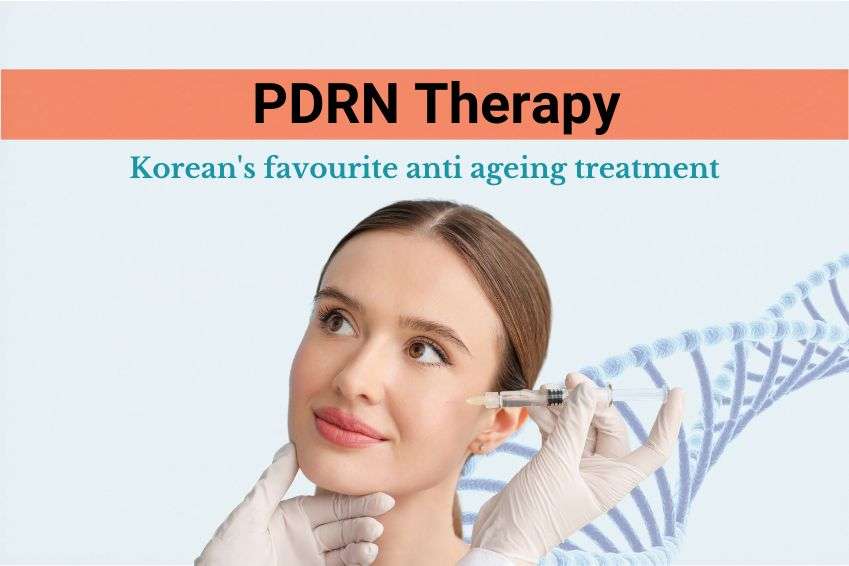
PDRN stands for Polydeoxyribonucleotide. It refers to purified DNA-derived fragments that have been studied for their role in tissue repair and regeneration. In aesthetic dermatology, PDRN has been investigated as an injectable treatment intended to support skin quality rather than simply add volume.
At a cellular level, PDRN is associated with pathways involved in tissue repair, including adenosine receptor activity and the nucleotide salvage pathway. These mechanisms may support cellular recovery, fibroblast activity and the processes involved in skin regeneration.
It is important to distinguish PDRN from polynucleotides (PNs), although the terms are sometimes used interchangeably in aesthetic discussions. They are related DNA-derived materials but can differ in molecular size and biological behaviour.
Why Is PDRN Gaining Attention in Korea?
Korean aesthetic medicine has become particularly associated with treatments that prioritize skin maintenance, prevention and gradual improvement. The popularity of injectable polynucleotides fits this approach because the goal is generally to improve the condition of the skin rather than dramatically change facial contours.
A Korean study involving Asian patients found improvements in measures including skin tone evenness, surface evenness, firmness and glow following a course of intradermal PN treatment.
The appeal is also practical. People increasingly want minimally invasive treatments that can be incorporated into regular skincare and maintenance routines without major changes to facial appearance.
However, popularity should not be confused with definitive evidence. A 2024 systematic review found promising results for polynucleotides in wrinkles, texture and elasticity, but the available studies were relatively small and generally low to moderate in quality. More high-quality research is still needed.
How Can PDRN Support Younger-Looking Skin?
Ageing affects the skin in several ways. Collagen production gradually declines, hydration can decrease, and the skin may become less elastic and more uneven in texture. PDRN is being explored as a way of supporting some of the biological processes involved in skin repair and regeneration.
Supporting Skin Repair
PDRN has a history of investigation in tissue healing. In aesthetic applications, this regenerative potential is being studied for improving overall skin condition and supporting recovery.
Supporting Collagen and Elasticity
PDRN and related polynucleotide treatments may encourage fibroblast activity and extracellular-matrix remodeling. This may contribute to improvements in firmness, elasticity and fine lines over time.
Improving Overall Skin Quality
Rather than acting like a conventional filler, regenerative injectables are intended to improve characteristics such as texture, hydration and skin quality. This makes them particularly interesting for people experiencing fine lines, dullness, dehydration, uneven texture or early loss of elasticity.
Results are generally gradual rather than instant, and individual responses can differ.
Can PDRN Help You Achieve Korean Glass Skin?
The phrase “Korean Glass Skin” describes a beauty ideal rather than a medical diagnosis or a guaranteed treatment outcome. It generally refers to skin that looks exceptionally hydrated, smooth, luminous and even.
PDRN may be one component of a personalized skin-rejuvenation plan for someone pursuing this type of skin quality. However, it cannot independently guarantee “glass skin.” Genetics, skincare, sun exposure, lifestyle, pigmentation, hydration and other treatments all influence how skin looks.
For someone researching Korean Glass Skin in Delhi, the more useful goal is therefore healthy, well-hydrated and resilient skin-not simply copying a particular aesthetic trend.
Is PDRN Treatment Right for Everyone?
PDRN is not automatically suitable for every person or every skin concern. A dermatologist should assess your skin condition, medical history and treatment expectations before recommending an injectable regenerative treatment.
Patients should also understand that temporary redness, swelling, tenderness or small injection marks can occur after treatment. The procedure should be performed using an appropriate medical product and technique by a qualified professional.
Read Also : PDRN Treatment: A Scientific Approach to Skin Rejuvenation
Read Also : PDRN Treatment: A Scientific Approach to Skin Rejuvenation
PDRN Therapy in Delhi at SkinQure
For people exploring PDRN Treatment in Delhi, choosing a dermatologist-led clinic is an important part of the process. At SkinQure, a leading Skin Clinic in Delhi, PDRN-based skin rejuvenation is approached through individual assessment rather than a one-size-fits-all protocol.
Treatment is offered under the supervision of Dr Jangid, MD - Dermatology, Venereology & Leprosy, MBBS, with the treatment plan tailored to the patient's skin concerns and aesthetic goals.
SkinQure has locations in Saket and Punjabi Bagh, making professional skin-rejuvenation care accessible to patients across Delhi.
Conclusion
The growing interest in PDRN in Korea reflects a broader movement toward skin-quality-focused anti-ageing treatment—one that values hydration, elasticity, texture and gradual regeneration alongside conventional aesthetic procedures. For people considering PDRN therapy in Delhi, the treatment may offer a promising option for early ageing concerns and overall skin rejuvenation, but expectations should remain realistic because the clinical evidence is still developing. A consultation with a qualified dermatologist can help determine whether PDRN is appropriate for your skin and whether it fits into a broader anti-ageing treatment in Delhi plan.
Frequently Asked Questions About PDRN Therapy
1. How does PDRN Therapy work?
PDRN may support fibroblast activity, collagen production, tissue repair, and regulation of inflammation. These effects can contribute to healthier, firmer, and more youthful-looking skin over time.
2. Who is the ideal candidate for PDRN Therapy?
PDRN Therapy may be suitable for people with early signs of ageing, fine lines, dull or dehydrated skin, uneven texture, enlarged pores, selected acne scars, or skin damage. It may also appeal to those seeking a gradual, natural-looking approach to skin rejuvenation.
3. Is PDRN Therapy better than fillers?
The two treatments have different purposes. Dermal fillers primarily restore lost facial volume and contour, while PDRN focuses on supporting skin repair, hydration, and overall skin quality. Depending on individual concerns, a dermatologist may recommend one treatment or a combination.
4. How many PDRN sessions are required?
The number of sessions varies according to the patient's skin condition and treatment goals. A course of 3-4 sessions, often spaced several weeks apart, may be recommended in some treatment plans. Maintenance sessions may be considered based on individual response and the dermatologist's assessment.
5. Is there any downtime after PDRN Therapy?
PDRN Therapy generally involves minimal downtime. Mild redness, swelling, tenderness, or small injection marks may occur after treatment and typically settle within a few days. Recovery can vary between individuals.
6. Who should avoid PDRN Therapy?
PDRN Therapy may need to be postponed or avoided in certain situations, including pregnancy or breastfeeding, active skin infections, uncontrolled medical conditions, severe allergies to treatment components, or active inflammation in the treatment area. A dermatologist should review your medical history and skin condition before treatment.