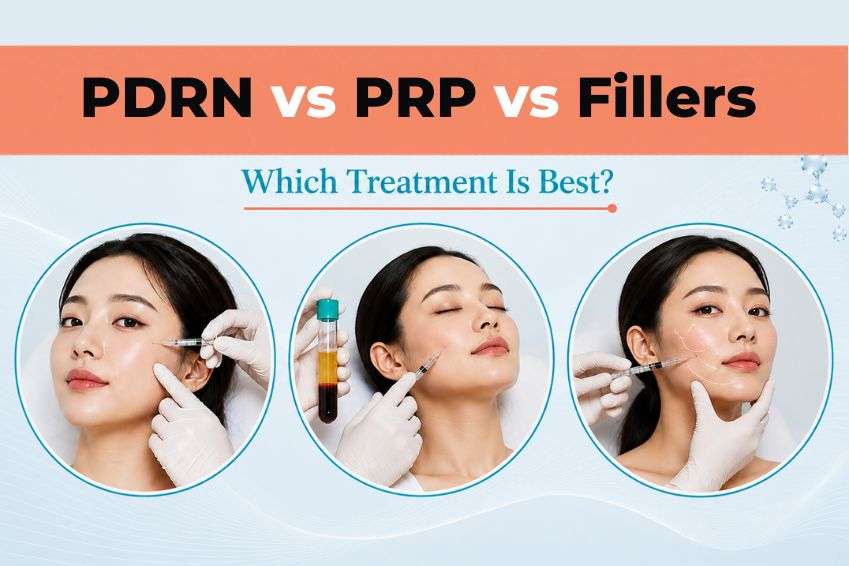
PDRN, PRP, and dermal fillers are often discussed together in aesthetic dermatology, but they are not the same treatment and do not produce the same results. While PDRN and PRP are primarily associated with skin rejuvenation and improving skin quality, dermal fillers are mainly used to restore volume and enhance facial contours. So, which one is right for you?
PDRN vs PRP vs Fillers: What's the Difference?
In simple terms:
- PDRN focuses on skin quality, hydration and regenerative support.
- PRP uses concentrated components of your own blood to support tissue repair and skin rejuvenation.
- Fillers primarily restore or add volume and improve facial contours.
These treatments may sometimes be used as part of a broader aesthetic plan, but they are not interchangeable.
| Treatment | Main Focus | May Be Considered For |
|---|---|---|
| PDRN | Skin quality and regenerative support | Fine lines, texture, hydration, early ageing |
| PRP | Autologous regenerative treatment | Skin rejuvenation, selected scars, fine lines |
| Fillers | Volume and contour | Cheeks, lips, chin, folds and volume loss |
What Is PDRN Treatment?
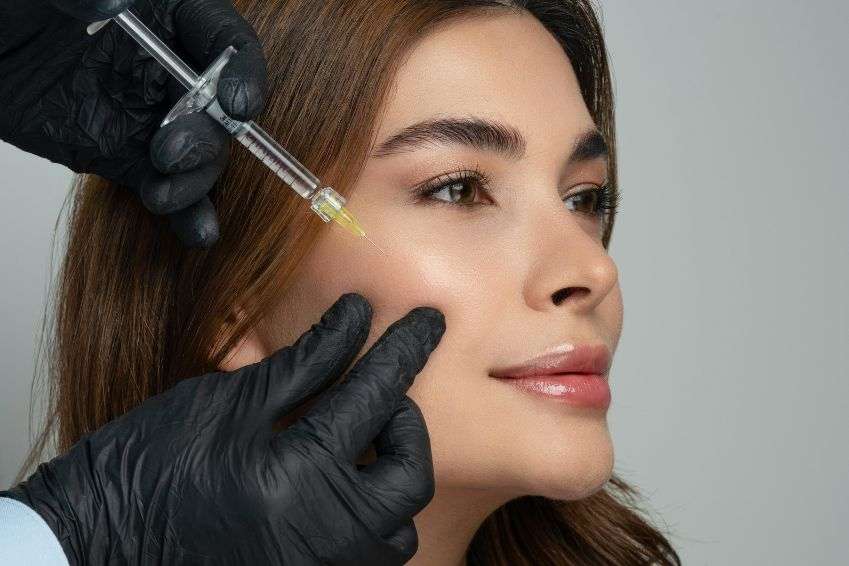
PDRN, or polydeoxyribonucleotide, is a DNA-derived material that has been studied for tissue repair and regenerative effects. In aesthetic dermatology, PDRN and related polynucleotide products are being investigated for their potential to improve skin texture, elasticity and overall quality.
Research is promising but still developing. A systematic review of polynucleotide treatments found improvements in wrinkles, skin texture and elasticity across several studies, while also noting that the available evidence was based on relatively small studies with low-to-moderate methodological quality.
For someone considering PDRN Treatment in Delhi, this means it may be an option when the goal is gradual skin rejuvenation rather than adding facial volume. It should not be presented as a permanent or miracle treatment.
What Is PRP Treatment?

Platelet-rich plasma (PRP) is prepared from a small sample of the patient's own blood. The blood is processed to concentrate platelets, which contain growth factors involved in tissue repair and healing. The resulting plasma is then administered to the treatment area.
PRP has been studied for facial rejuvenation, including wrinkles and overall skin quality. However, research has used different preparation methods, injection techniques and treatment schedules, making results difficult to compare directly. Reviews therefore describe PRP as promising while emphasizing the need for better-standardized research.
PRP Treatment in Delhi may therefore be considered for patients who prefer an autologous approach using their own blood components and whose treatment goals are compatible with PRP.
What Are Fillers?
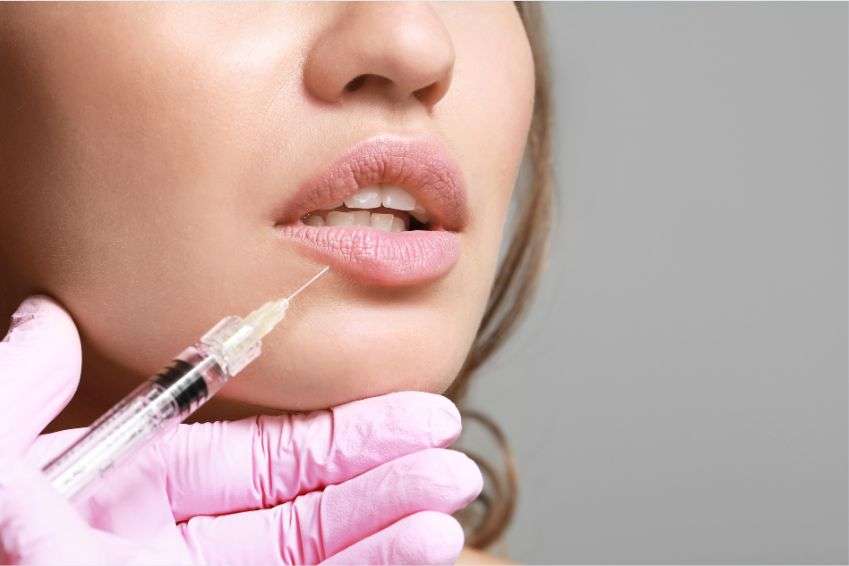
Dermal fillers are injectable substances used primarily to restore or add volume and improve facial contours. Depending on the product and treatment area, they may be used for the cheeks, lips, chin, selected folds and other areas affected by volume loss.
This is where fillers differ most clearly from PDRN and PRP. If your concern is a hollow cheek, reduced lip volume or a contour deficiency, improving skin quality alone may not address the underlying problem.
However, fillers are medical procedures and should only be administered by appropriately trained professionals. Although uncommon, accidental injection into a blood vessel can cause serious complications, including tissue necrosis, vision abnormalities or stroke.
Therefore, anyone considering Dermal Fillers in Delhi should discuss the specific product, treatment area, expected result and potential risks with a qualified medical professional.
PDRN vs PRP vs Fillers - Which One Should You Choose?
The answer depends on your primary concern.
If your main goal is improving skin quality: PDRN may be considered for concerns such as fine lines, texture, hydration and early signs of ageing.
If you prefer an autologous treatment: PRP uses your own blood-derived platelets and may be considered for selected skin-rejuvenation goals.
If your main concern is volume loss: Dermal fillers may be more appropriate because they are designed to restore or add volume and improve contours.
Acne scars, pigmentation, laxity and wrinkles can have different causes, so they may require different treatments or combinations. A dermatologist should assess your skin rather than selecting a procedure based solely on its popularity.
Can PDRN, PRP and Fillers Be Combined?
In selected patients, combination treatments may be considered when several concerns exist-for example, volume loss alongside poor skin texture. However, combining procedures is not automatically better. The timing, products, treatment areas and overall sequence should be determined according to individual needs and safety considerations.
Why Choose a Dermatologist for Injectable Treatments?
Injectable aesthetic treatments require more than choosing a product. Proper patient selection, knowledge of facial anatomy, product selection, sterile technique and management of potential complications are all important.
At SkinQure, a leading Skin Clinic Located at Saket and Punjabi Bagh New Delhi, treatment planning is based on individual skin concerns and aesthetic goals. Dr Jangid, MD - Dermatology, Venereology & Leprosy, provides dermatologist-led assessment to help patients understand which treatment may be appropriate rather than treating every concern with the same procedure.
Conclusion
There is no universal winner in the PDRN vs PRP vs Fillers comparison. PDRN may be considered when the focus is skin quality and regenerative support, PRP offers an autologous approach to selected rejuvenation concerns, while fillers are primarily designed to restore or add facial volume. The most suitable treatment depends on your skin condition, degree of volume loss, treatment goals, medical history and expectations. A consultation with a qualified dermatologist can help you choose an evidence-informed approach rather than simply following aesthetic trends.
Disclaimer: Individual treatment suitability varies. A consultation with a qualified dermatologist is recommended before choosing an injectable aesthetic treatment.